Bipolar I Disorder
Includes at least one manic episode. Depression may also occur, but a major depressive episode is not required for the diagnosis.

Understanding Bipolar Disorder in New York City & Long Island. Learn the differences between Bipolar I and Bipolar II, recognize symptoms of depression, mania, and hypomania, understand how diagnosis works, and explore evidence-based care—including options for carefully selected people with treatment-resistant bipolar depression.
Bipolar disorder is a treatable mental health condition involving recurring episodes of depression and periods of elevated or irritable mood called mania or hypomania. These episodes can affect sleep, energy, thinking, judgment, relationships, and daily functioning. Bipolar I includes at least one manic episode. Bipolar II includes major depressive episodes and hypomania, but not full mania.
Many people achieve long periods of stability with an individualized plan that may combine psychiatric medication, psychotherapy, education, consistent sleep and routines, and ongoing follow-up.
Bipolar I and Bipolar II both involve significant mood episodes, but they are distinguished by the presence of mania versus hypomania. Bipolar II is not simply a milder illness; its depressive episodes may be prolonged and disabling.
Includes at least one manic episode. Depression may also occur, but a major depressive episode is not required for the diagnosis.
Includes one or more major depressive episodes and at least one hypomanic episode, without a history of full mania.
Both conditions benefit from comprehensive evaluation, ongoing psychiatric care, symptom monitoring, and a treatment plan tailored to the individual.
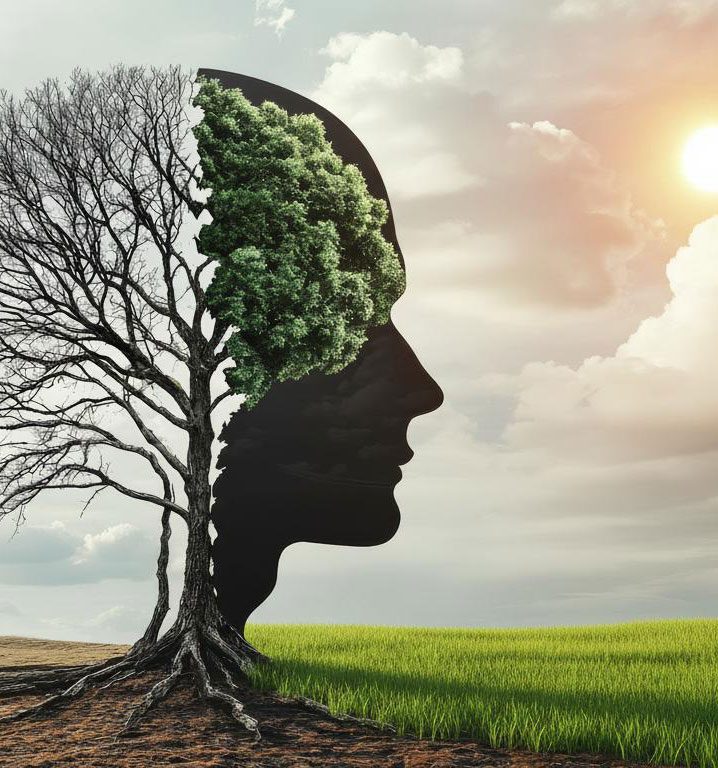
Bipolar disorder affects more than mood. During depression, a person may feel exhausted, hopeless, emotionally numb, unable to concentrate, or disconnected from activities they usually enjoy.
During mania or hypomania, the same person may experience unusually high energy, rapid speech, racing thoughts, increased confidence, reduced need for sleep, irritability, or impulsive decision-making. Between episodes, many people return to their usual level of functioning.
| Feature | Bipolar Depression | Hypomania | Mania |
|---|---|---|---|
| Mood | Sad, empty, hopeless, or emotionally numb | Elevated, energetic, confident, or irritable | Markedly elevated, expansive, or irritable |
| Sleep | Insomnia or sleeping more than usual | Reduced need for sleep without feeling tired | Very little sleep, often with continued activity |
| Thinking | Slow thinking, poor concentration, indecision | Faster thoughts and increased productivity | Racing thoughts, distractibility, impaired judgment |
| Functioning | May significantly interfere with work and relationships | Observable change, but generally less severe impairment | Can cause severe impairment, risky behavior, or need for urgent care |
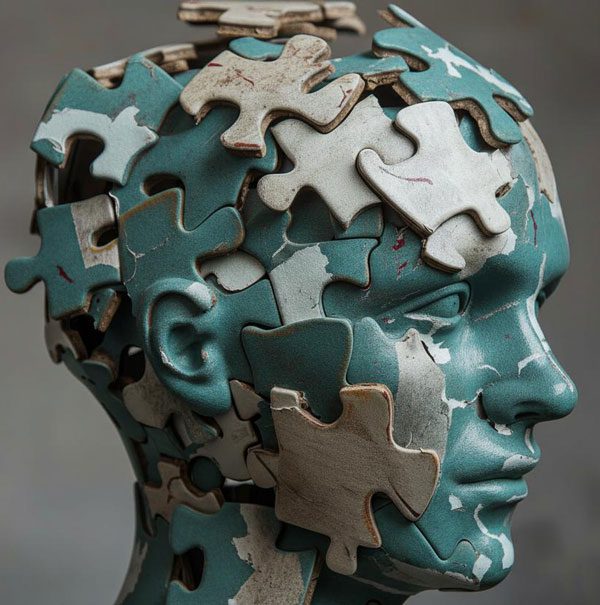
Current research suggests that bipolar disorder develops through a combination of genetics, brain biology, neurotransmitter activity, circadian rhythm disruption, environmental influences, and stressful life events. Family history can increase risk, but it does not determine whether someone will develop the condition.
Diagnosis is based on a comprehensive psychiatric evaluation. A clinician reviews current symptoms, previous mood episodes, sleep, daily functioning, medical history, medication use, substance use, and family history.
Many people first seek care during depression and may initially be diagnosed with major depressive disorder because earlier hypomanic or manic symptoms were overlooked. A detailed longitudinal history can help clarify the diagnosis.
Treatment is individualized and commonly combines psychiatric medication, psychotherapy, healthy routines, education, and regular follow-up. The goal is to reduce current symptoms, prevent relapse, and support long-term stability.
Mood stabilizers and selected atypical antipsychotic medications remain important components of care for many people. Medication decisions should be made and monitored by a qualified prescriber.
Cognitive Behavioral Therapy, Interpersonal and Social Rhythm Therapy, Family-Focused Therapy, and psychoeducation may help patients recognize symptoms, maintain routines, and reduce relapse risk.
Consistent sleep, exercise, stress management, medication adherence, and structured routines can support emotional stability and make early warning signs easier to recognize.
Some people continue to experience significant depressive symptoms despite evidence-based treatment. For carefully selected patients, ketamine therapy may be considered as part of a broader psychiatric treatment plan.
Ketamine is not a first-line treatment for bipolar disorder. A comprehensive psychiatric evaluation is essential, treatment should be coordinated with ongoing psychiatric care, and individual response varies.

Many people with bipolar disorder lead healthy, productive, and fulfilling lives. Recovery often involves recognizing early warning signs, following an individualized treatment plan, maintaining healthy sleep and daily routines, participating in therapy, and building a reliable support network.
Family members and loved ones can help through education, empathy, practical support, and healthy boundaries while also caring for their own well-being.
Fact: Bipolar disorder involves clinically significant mood episodes that affect sleep, energy, judgment, relationships, and daily functioning.
Fact: Mania can severely impair judgment, increase risky behavior, disrupt functioning, and sometimes require urgent treatment.
Fact: With appropriate treatment and support, many people maintain successful careers, relationships, and meaningful lives.
Fact: Modern medication, psychotherapy, education, and emerging treatment options have improved outcomes for many patients.
NY Ketamine Infusions serves adults seeking evaluation for treatment-resistant mood symptoms from Manhattan, the five boroughs, Nassau County, Suffolk County, and nearby communities. An evaluation can help determine whether an advanced treatment option may be appropriate within a coordinated psychiatric care plan.
Phone: 917-261-7370
Treatment hours: Seven days a week, 9:00 AM–7:00 PM
Phone: 631-629-4626
Treatment hours: Monday, Wednesday, and Friday by appointment
It can include episodes of depression, mania, or hypomania that affect mood, sleep, energy, thinking, judgment, and daily functioning. Experiences vary from person to person.
Bipolar I includes at least one manic episode. Bipolar II includes major depressive episodes and hypomania, but not full mania.
Yes. Some people first seek treatment during depression, and previous hypomanic or manic episodes may not be recognized until a detailed mood history is reviewed.
Common triggers include sleep disruption, stress, changes in routine, illness, substance use, seasonal changes, and medication changes.
A qualified clinician performs a comprehensive psychiatric evaluation that reviews symptoms, mood history, sleep, family and medical history, medications, and daily functioning while considering other possible causes.
Yes. Individualized care may combine psychiatric medication, psychotherapy, education, healthy routines, and ongoing monitoring. Many people achieve long periods of stability.
Ketamine may be considered for carefully selected patients with treatment-resistant bipolar depression. It is not a first-line treatment and should be provided under experienced clinical supervision as part of coordinated psychiatric care.
Episodes may last days, weeks, or months depending on the person, episode type, severity, and treatment. A clinician can help evaluate significant changes in mood, sleep, or functioning.
Genetics can increase risk, but bipolar disorder is believed to involve multiple biological and environmental factors. Family history does not guarantee that someone will develop it.
Seek professional evaluation for persistent or severe mood changes, major sleep reduction, escalating impulsivity, psychosis, inability to function safely, or thoughts of self-harm. For immediate danger, call 911 or go to the nearest emergency department.
This educational page was developed from the supplied article and points readers toward established public-health and clinical resources for additional information.
Medical disclaimer: This page is for general educational purposes and is not a substitute for diagnosis, emergency care, or individualized advice from a qualified healthcare professional. Treatment eligibility and recommendations vary by patient.
NY Ketamine Infusions provides evaluations in New York City and Melville, Long Island. A consultation can help determine whether ketamine therapy may be considered as part of your broader psychiatric care plan.